Understanding the Vital Role of Health Screenings in Enhancing the Wellness of Rescue Pets
Identifying the Most Frequent Health Challenges Faced by Rescue Pets
Rescue pets often come from difficult environments that can lead to a variety of serious health issues. These vulnerable animals may experience neglect, suffer from malnutrition, and often lack adequate veterinary care. This unfortunate combination makes them prone to numerous health vulnerabilities. Common health issues among rescue pets include severe malnutrition, which can hinder their growth and compromise their immune systems, leaving them more vulnerable to infections. Other untreated conditions like upper respiratory infections or skin disorders can escalate quickly if not diagnosed and treated through routine health screenings. Additionally, rescue pets are often affected by parasites, both internal and external, which can lead to significant health complications if not addressed promptly.
Early detection through thorough health screenings is essential in preventing these health problems from worsening or developing into chronic issues. Regular veterinary check-ups facilitate the early identification of any underlying conditions, allowing for timely interventions and appropriate treatments. For instance, a simple blood test can uncover the presence of parasites or infections, enabling veterinarians to administer necessary medications to prevent further health complications. By prioritizing these screenings, pet owners can help ensure their rescue pets lead healthier lives.
Exploring the Key Advantages of Regular Health Screenings for Rescue Pets
Regular health screenings provide a wide range of benefits that can significantly enhance the quality of life for rescue pets. By identifying and addressing health issues early, screenings can help avert the onset of chronic conditions that might arise from untreated ailments. The primary advantages of consistent health screenings include:
- Early detection of health problems
- Improved overall quality of life for pets
- Lower veterinary expenses over time
- Extended lifespan of pets
- Stronger emotional connections between pets and their families
- Enhanced peace of mind for pet guardians
- Preventive strategies to avoid severe health issues
These benefits underscore that prioritizing health screenings is not just a proactive measure; it is a crucial aspect of responsible pet ownership. By committing to regular veterinary check-ups, pet owners actively contribute to the long-term health and happiness of their beloved companions, ultimately leading to happier lives for both pets and owners.
Determining the Recommended Frequency of Health Screenings for Rescue Pets
The ideal frequency for health screenings in rescue pets can vary widely based on several factors, including the pet's age, overall health status, and medical history. Generally, veterinarians advise conducting comprehensive health screenings shortly after adoption to establish a health baseline for the animal. After this initial evaluation, the frequency of subsequent screenings will depend on the specific needs of the pet.
For younger and generally healthy rescue pets, annual screenings are typically adequate for monitoring their overall well-being. However, older pets or those with pre-existing health conditions may require more frequent evaluations, possibly every six months or even quarterly. A veterinarian can offer personalized recommendations based on thorough assessments, ensuring that the rescue pet receives optimal care as they age and their health requirements evolve.
What to Expect During a Comprehensive Health Screening for Rescue Pets?
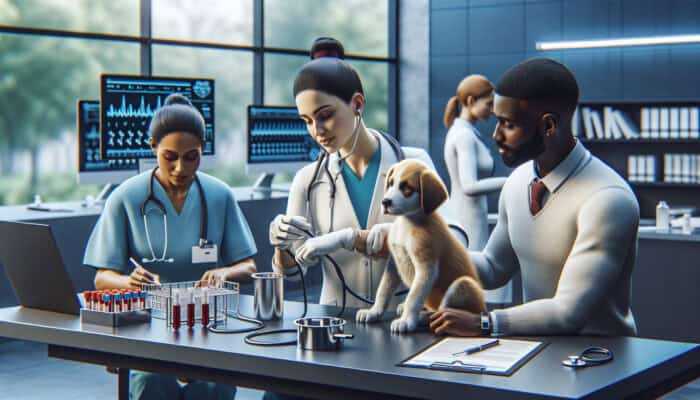
During a health screening, rescue pets undergo a meticulous evaluation designed to assess their complete health status. The veterinarian typically begins with a comprehensive physical examination, checking vital signs such as heart rate and body temperature. This examination allows veterinarians to identify any visible signs of illness or distress that may require immediate attention. Following this, additional diagnostic tests may be conducted, such as blood work, to reveal underlying health issues that might not be readily apparent during the physical assessment.
In some cases, advanced diagnostic tools such as X-rays or ultrasounds may be utilized to gain a deeper understanding of a pet’s health condition. These assessments are crucial for identifying issues such as bone abnormalities or organ dysfunction. Throughout the screening process, pet owners can expect open and transparent communication from the veterinarian, who will discuss findings and outline any necessary follow-up actions. This collaborative approach ensures that pet owners are well-informed about their pet's health and the available treatment options.
Expert Perspectives on the Critical Need for Health Screenings in Rescue Pets
Essential Health Screening Protocols Recommended by Veterinarians for Rescue Pets
Veterinarians consistently stress the immense importance of comprehensive health screenings for rescue pets immediately following their adoption. Establishing a clear health baseline is essential for tracking any changes over time. For example, a rescue dog that has faced neglect may exhibit underlying issues like dental disease or heartworm, which can be detected during the initial screening process.
Numerous real-life stories illustrate how early screenings have positively impacted rescue pets' health outcomes. For instance, a shelter dog named Max was diagnosed with a severe heartworm infestation during his initial screening, which led to prompt treatment that ultimately saved his life. Such proactive measures not only enhance the health of the pet but also empower owners to make informed decisions regarding their care and well-being.
Effective Strategies for Pet Owners to Prepare for Health Screenings

Proper preparation is essential for maximizing the effectiveness of a rescue pet's health screening. Pet owners should collect any available medical history, including vaccination records or details of previous treatments, to provide veterinarians with a comprehensive background of the pet's health. Additionally, it is crucial for owners to observe their pet's behavior and document any unusual symptoms, such as changes in appetite, energy levels, or mood fluctuations.
To effectively prepare for a health screening, owners can take several actionable steps:
- Gather all relevant medical documents
- Create a list of observed behaviors or symptoms
- Prepare specific questions to discuss with the veterinarian
- Ensure the pet is calm and comfortable for the examination
By being proactive and well-informed, pet owners can significantly enhance the thoroughness of the screening process, ultimately leading to improved health outcomes for their beloved pets.
Innovative Technologies Employed in Health Screenings for Rescue Pets
Recent advancements in veterinary medicine have led to remarkable improvements in screening technologies, greatly enhancing the diagnostic capabilities available for rescue pets. Innovations such as digital X-rays and ultrasound provide highly detailed images that can uncover critical information about a pet's internal health. Digital X-rays, for example, generate rapid imaging with reduced radiation exposure, allowing veterinarians to swiftly diagnose conditions like fractures or tumors.
In contrast, ultrasound technology offers real-time imaging of soft tissues, which is especially beneficial for assessing organ health and identifying issues such as tumors or fluid accumulation. The integration of these advanced technologies into routine screenings is crucial for rescue pets, as they equip veterinarians with the necessary tools to make accurate diagnoses and formulate tailored treatment plans. Consequently, these innovations not only enhance individual pet care but also contribute to overall improvements in veterinary practices, ultimately leading to healthier outcomes for animals around the globe.
Understanding How Health Screenings Influence Adoption Rates for Rescue Pets
The Impact of Health Screenings on the Adoption Journey
Health screenings serve as a fundamental part of the adoption process for rescue pets. They instill confidence in potential adopters by confirming that the pet they are considering is healthy, thereby increasing the chances of a successful adoption. The reassurance that comes from knowing a pet has undergone a thorough evaluation and received necessary treatments fosters trust among prospective owners.
Health screenings can positively influence adoption rates in various ways, including:
- Demonstrating the shelter's commitment to animal welfare
- Providing potential adopters with documented health records
- Reducing perceived risks associated with adopting a rescue pet
- Encouraging informed decisions by prospective adopters
By proactively addressing health concerns, shelters can create a culture of transparency and trust, making it easier for potential adopters to envision welcoming a rescue pet into their homes and families.
Can Health Screenings Help Lower Return Rates for Adopted Pets?
One of the most significant benefits of implementing thorough health screenings is their capacity to reduce the return rates of adopted pets. Many animals are returned to shelters due to unexpected health problems that could have been identified prior to adoption. By ensuring that rescue pets are healthy and free from major ailments before adoption, shelters can significantly decrease the chances of these pets being returned for health-related reasons.
For instance, a recent case study revealed that a local shelter that instituted comprehensive health screenings observed a remarkable 30% reduction in return rates within the first year. This improvement not only enhances the well-being of the pets but also strengthens the shelter's reputation within the community, leading to increased interest in adoptions overall.
Examining the Long-Term Advantages of Health Screenings for Adopted Pets
Adopted pets that receive regular health screenings enjoy numerous long-lasting benefits that contribute to their overall health and happiness. One of the most significant advantages is the increased likelihood of living longer, healthier lives. Routine screenings help identify potential health issues early, allowing for timely treatments that can prevent severe conditions from developing.
Furthermore, healthy pets are more likely to form strong bonds with their new families, leading to a more enjoyable and fulfilling pet ownership experience. Studies have shown that families with pets receiving regular health check-ups reported higher satisfaction levels in their pet ownership experiences, highlighting the emotional rewards of investing in a pet's health. By prioritizing health screenings, owners not only enhance their pet's quality of life but also foster a deeper, more meaningful relationship with their furry companions.
How Health Screenings Can Shape Adoption Decisions
Health screenings play a crucial role in influencing adoption decisions, as they provide essential insights into a pet's current health status. This information empowers potential adopters to make informed choices, alleviating the uncertainty often associated with adopting rescue animals. Clear communication of screening results and recommendations from veterinarians can significantly boost an adopter's confidence in their decision-making process.
When shelters present detailed health records, including any treatments administered during the screening process, it assures potential adopters that they are making a responsible choice. For example, an adopter may be more inclined to adopt a pet that has received a clean bill of health compared to one with vague health issues. Ultimately, health screenings equip adopters with critical information, ensuring they feel confident in their decision to welcome a rescue pet into their family.
Do Health Screenings Influence Shelter Operating Policies?
Regular health screenings can significantly impact shelter policies and practices. By establishing comprehensive health management programs, shelters can promote better health outcomes for the animals in their care. This not only enhances the welfare of rescue pets but can also lead to increased adoption rates, as potential adopters recognize a shelter's commitment to animal health and wellness.
Moreover, shelters that prioritize health screenings often develop stronger partnerships with local veterinarians, ensuring that pets receive consistent, high-quality medical care. This collaboration enhances the overall effectiveness of shelter operations, resulting in improved animal welfare and community trust. Consequently, shelters can evolve into models for best practices in animal care, shaping policies and regulations on a larger scale, ultimately benefiting rescue pets worldwide.
Financial Considerations Surrounding Health Screenings
The Typical Costs Associated with Initial Health Screenings
The costs related to initial health screenings for rescue pets can vary widely based on factors such as geographical location, the specific tests performed, and the fee structure of the veterinary clinic. Generally, initial screenings encompass essential tests like blood work, vaccinations, and a physical examination.
On average, the costs for initial screenings can include:
- Physical examination: $50-$100
- Blood tests: $75-$150
- Vaccinations: $20-$50 each
- Fecal tests for parasites: $25-$50
While these expenses may seem high, they are critical for ensuring the long-term health of rescue pets. Investing in an initial health screening can ultimately save money by preventing the onset of serious health issues that could lead to much higher treatment costs later.
Ongoing Expenses to Anticipate for Health Screenings
Ongoing health screenings may incur additional costs depending on the pet's health requirements and the recommended frequency of check-ups. Typically, after the initial screening, routine annual check-ups are advisable for most pets, which may range from $100 to $200 each year. However, pets with existing conditions may require more frequent visits or specialized tests, which can further increase overall expenses.
Additionally, ongoing costs can include regular vaccinations, flea and tick prevention, and any medications necessary for managing chronic conditions. Owners should be prepared for these potential financial commitments to ensure their rescue pets remain healthy and free from preventable illnesses, which can lead to significant savings in the long run.
Accessibility of Financial Assistance Programs for Health Screenings
Numerous organizations and community initiatives offer financial support to assist with the costs of health screenings for rescue pets, making veterinary care more accessible for potential adopters. Many animal welfare organizations provide grants or low-cost clinics specifically designed to help low-income families secure medical care for their pets.
Moreover, some shelters collaborate with local veterinarians to offer subsidized health screenings for newly adopted pets, ensuring that all rescue animals receive essential medical attention without imposing undue financial burdens on their new families. By exploring these resources, pet owners can help guarantee their rescue companions receive appropriate health care, promoting their long-term well-being and happiness.
Research-Backed Benefits of Regular Health Screenings for Rescue Pets
What Do Studies Reveal About the Impact of Health Screenings?
Numerous studies have confirmed the positive effects of regular health screenings on both the life expectancy and quality of life of rescue pets. Research indicates that pets receiving routine health evaluations tend to experience fewer health complications, resulting in longer and healthier lives. For instance, a landmark study revealed that dogs undergoing annual health check-ups had a 20% higher life expectancy than those who did not receive regular evaluations.
These findings underscore the importance of preventive care, particularly for rescue pets that may have begun their lives with existing health issues. By prioritizing health screenings, pet owners can significantly enhance their pets' overall health outcomes, ultimately resulting in a more fulfilling and enriched life together.
The Contribution of Health Screenings to Public Health Initiatives
Health screenings for rescue pets play a vital role in preventing the spread of zoonotic diseases, which can transfer between animals and humans. By identifying and treating health problems in rescue animals, veterinarians help minimize the risk of outbreaks that pose threats to public health and safety.
Conditions such as rabies and leptospirosis can present serious health challenges for both animals and humans. Routine screenings ensure that rescue pets are vaccinated and healthy, thereby reducing the chances of these diseases spreading within communities. By prioritizing the health of rescue pets through regular screenings, the public benefits from a healthier environment, reinforcing the interconnectedness of animal health and community welfare.
The Psychological Advantages Owners Gain from Health Screenings
The psychological benefits of knowing that a rescue pet is healthy cannot be overstated. Pet ownership inherently involves stressors, and the reassurance that a pet is well cared for can provide significant peace of mind for owners. Regular health screenings alleviate concerns regarding potential health issues, ultimately enhancing the bond between pet and owner.
Moreover, taking care of a pet's health fosters a sense of responsibility and connection. Owners who actively engage in their pet's well-being through health screenings often report higher levels of satisfaction and emotional fulfillment in their relationships with their pets. This emotional stability contributes not only to the owner's well-being but also promotes a harmonious household environment, enhancing the overall quality of life for both pets and their families.
Long-Term Financial Savings Through Health Screenings
Early detection through health screenings can have significant financial implications for pet owners, ultimately leading to substantial savings on veterinary bills over time. Addressing health issues in their early stages prevents minor problems from escalating into significant, costly treatments. For example, a straightforward screening can reveal early signs of dental disease, allowing for preventive measures that can avoid expensive dental procedures later on.
Furthermore, the costs associated with treating chronic conditions resulting from neglect can be exceedingly high. By investing in regular health screenings, owners can ensure their pets remain healthy, reducing the likelihood of unexpected and costly medical emergencies. This proactive approach not only enhances the pet's quality of life but also protects the owner's financial commitment to their furry companion, ensuring a sustainable and rewarding pet ownership experience.
Best Practices for Implementing Effective Health Screenings
How Veterinarians Should Conduct Health Screenings
Veterinarians play a pivotal role in facilitating effective health screenings for rescue pets. A comprehensive physical examination should form the foundation of the screening process, allowing the veterinarian to evaluate the pet’s overall health condition. This includes assessing for signs of distress, evaluating body condition, and measuring vital signs, such as heart rate and respiration.
After the physical examination, necessary tests, including blood work, fecal examinations, and vaccinations, should be performed based on the pet's specific health requirements. Clear and open communication with the pet owner is essential throughout the process, enabling a comprehensive understanding of the pet's health status and the necessary next steps for care. By adhering to these best practices, veterinarians can provide effective, personalized care that enhances the well-being of rescue pets.
Key Indicators for Owners to Observe During a Health Screening
When attending a health screening, pet owners should be attentive to several key indicators that signify a thorough examination. Firstly, a comprehensive physical examination should be conducted, with the veterinarian checking for any abnormalities or concerns that may require further investigation. Owners should seek clear communication from the vet regarding their pet's health status and any findings, as understanding these elements is crucial for informed decision-making.
Additionally, follow-up recommendations are essential. Owners should expect discussions regarding vaccination schedules, necessary follow-up tests, and general health maintenance advice. By ensuring that the screening process is comprehensive and transparent, pet owners can actively engage in their pet’s health journey, making informed choices regarding their care and well-being.
Can At-Home Health Checks Enhance Professional Screenings?
At-home health checks can serve as an effective complement to professional screenings, allowing pet owners to monitor their rescue pet's health between veterinary visits. Regularly observing their pet for changes in behavior, appetite, or physical condition enables owners to catch potential issues early on. Simple practices, such as checking for lumps, monitoring dental health, or tracking weight changes, can provide valuable insights into the pet's overall well-being.
However, it is essential to remember that home health checks should never replace professional screenings. While they can enhance overall health monitoring, professional evaluations are critical for accurate diagnostics and treatment options. By combining both approaches, pet owners can create a comprehensive strategy for maintaining the health and happiness of their rescue pets.
Determining the Appropriate Frequency for Health Screenings
Health screenings should generally be performed annually for most pets, but the frequency may vary based on age, health status, and specific veterinary recommendations. Young, healthy pets typically require less frequent evaluations, whereas older pets or those with underlying health issues may need more regular assessments, potentially every six months.
By adhering to an appropriate screening schedule, pet owners can ensure their companions receive the necessary care throughout their lives. Consulting with a veterinarian can help establish a customized health management plan, maximizing the chances of a long, healthy life for rescue pets and ensuring their well-being.
Understanding the Importance of Vaccinations in Health Screenings
Vaccinations are a critical component of health screenings, offering essential protection against preventable diseases. During health screenings, veterinarians should review existing vaccination records and administer any necessary vaccines to ensure that rescue pets remain up-to-date on their immunizations.
These vaccinations protect pets from serious illnesses, such as distemper, parvovirus, and rabies, which can pose significant health risks. Moreover, ensuring that pets are vaccinated as part of their health screenings contributes to public health by reducing the spread of zoonotic diseases. By prioritizing vaccinations during health screenings, pet owners can safeguard their pets' health while also contributing to the welfare of their communities and preventing potential health issues in the future.
Strategies for Shelters to Develop Effective Health Screening Programs
Essential Resources Required for Conducting Health Screenings in Shelters
To implement effective health screenings, shelters must equip themselves with several essential resources. Firstly, trained staff is crucial for conducting thorough evaluations and accurately interpreting results. Investing in ongoing education and training for shelter personnel enhances their capacity to identify health issues and provide appropriate care tailored to the needs of rescue pets.
Additionally, shelters require access to necessary medical equipment, such as diagnostic tools for blood tests and imaging technologies. Funding is also vital to cover the expenses associated with screenings, which can range from staff training to medical supplies. By securing these resources, shelters can establish robust health screening programs that prioritize the welfare of rescue pets and ensure they receive the care they deserve.
Enhancing Health Screening Initiatives through Collaboration with Veterinarians
Shelters can significantly enhance their health screening efforts by forming partnerships with local veterinarians. These collaborations enable shelters to leverage the expertise and resources available within the veterinary community, thereby improving the quality of care provided to rescue pets. For instance, local veterinarians can conduct initial health screenings and follow-up care for newly adopted pets, ensuring that they receive comprehensive health evaluations.
Moreover, joint community outreach programs can be developed to educate potential adopters on the importance of pet health and the benefits of health screenings. By partnering with veterinarians, shelters can implement more effective screening protocols, ultimately leading to improved health outcomes for rescue pets and increased adoption rates.
Challenges Associated with Establishing Screening Programs in Shelters
Implementing effective health screening programs in shelters presents various challenges. Limited resources often constitute the most significant barrier, as many shelters operate on tight budgets and may lack the funding necessary to establish comprehensive health screening protocols. Additionally, the high demand for shelter services can strain available staff, making it difficult to allocate the necessary time and attention to health screenings.
Ongoing training and support for shelter staff are crucial to ensure that they are well-prepared to identify health issues and provide appropriate care. Overcoming these challenges requires strategic planning and collaboration with community resources, enabling shelters to develop effective health screening programs that benefit both rescue pets and potential adopters, ultimately leading to better health and welfare for animals in need.
Proven Strategies for Conducting Effective Health Screenings in Rescue Pets
Most Effective Approaches to Implementing Health Screenings
To ensure effective health screenings for rescue pets, various strategies can be implemented. First, establishing routine annual check-ups as a standard practice for all pets allows for consistent monitoring of health status and well-being. Vaccinations should also be an integral part of these screenings, providing essential protection against preventable diseases that can affect pets’ health.
Moreover, developing tailored health plans based on the individual needs of pets can significantly enhance the effectiveness of screenings. For instance, pets with known health conditions may require specialized tests or more frequent evaluations. Shelters and pet owners should work collaboratively to create these personalized health plans, ensuring that every pet receives appropriate care tailored to their unique circumstances and health concerns.
By adhering to these strategies, pet owners and shelters can foster a proactive approach to pet health, improving outcomes for rescue animals and contributing to a healthier community overall.
Effective Advocacy for Your Pet's Health
Pet owners can play a crucial role in advocating for their pet's health by staying informed and actively engaged in their care. This can be achieved by asking questions during health screenings and discussions with veterinarians, seeking clarity on any findings or recommendations that arise during the examination process.
Furthermore, owners should actively participate in their pet’s health management by adhering to recommended vaccination schedules and preventive care routines. By taking an active role in their pet’s health journey, owners demonstrate their commitment to their pet’s well-being, fostering a strong bond and ensuring a high quality of life for their furry companions.
The Role of Community Programs in Supporting Health Screenings
Community programs play a significant role in facilitating health screenings for rescue pets, providing vital support to both shelters and pet owners. These initiatives often focus on increasing accessibility to veterinary care, particularly for low-income families or areas with limited resources.
For example, mobile veterinary clinics can offer on-site health screenings and vaccinations, thereby reducing barriers to care for underserved communities. Additionally, community outreach programs can raise awareness about the importance of health screenings and promote responsible pet ownership practices. By fostering collaboration between shelters, veterinary professionals, and community organizations, these programs contribute to improved health outcomes for rescue pets and enhance the overall welfare of animals in the region.
Frequently Asked Questions (FAQs)
What Can I Expect During My Rescue Pet's Health Screening?
During a health screening, you can expect a comprehensive physical examination, monitoring of vital signs, and potential diagnostic tests such as blood work or X-rays to thoroughly assess your pet's overall health and well-being.
How Often Should I Schedule Health Screenings for My Rescue Pet?
Generally, rescue pets should undergo health screenings annually; however, older pets or those with existing health issues may require more frequent evaluations, possibly every six months, to ensure their health is closely monitored.
Can I Conduct Health Checks at Home?
Yes, regular at-home health checks can help monitor your pet's well-being, but they should complement, not replace, professional veterinary screenings, which are essential for accurate diagnostics and treatment planning.
Are Financial Assistance Programs Available for Health Screenings?
Yes, many organizations provide financial assistance programs to help cover the costs of health screenings for rescue pets, making veterinary care more accessible for families in need.
Do Health Screenings Affect Adoption Rates?
Yes, health screenings can significantly boost adoption rates by assuring potential adopters of the pet's health condition and minimizing perceived risks associated with adopting a rescue animal.
What Common Health Issues Should I Be Aware of in Rescue Pets?
Common health issues in rescue pets include malnutrition, infections, dental disease, and parasites, often stemming from their previous living conditions and lack of proper care.
How Can I Prepare for My Rescue Pet's Health Screening?
To prepare effectively, gather any available medical history, observe and note any behavioral changes or symptoms, and prepare relevant questions to discuss with the veterinarian during the screening.
What Vaccinations Should My Rescue Pet Receive During Health Screenings?
Vaccinations during health screenings typically include core vaccines such as rabies, distemper, and parvovirus, which protect against serious and potentially life-threatening diseases.
How Can Shelters Enhance Their Health Screening Programs?
Shelters can improve health screening programs by securing necessary resources, training staff effectively, and forming partnerships with local veterinarians to ensure comprehensive care for all animals.
What Long-Term Benefits Do Regular Health Screenings Provide for Adopted Pets?
Regular health screenings lead to healthier, longer lives for adopted pets, enhancing their well-being and fostering stronger bonds with their new families, ultimately resulting in a more positive pet ownership experience.
Connect with us on Facebook!
The Article Rescue Pet Health Screenings: Essential Care for Adopted Animals First Published On https://elgatoencasa.com
The Article Pet Health Screenings: Essential Care for Rescued Animals Was Found On https://limitsofstrategy.com